
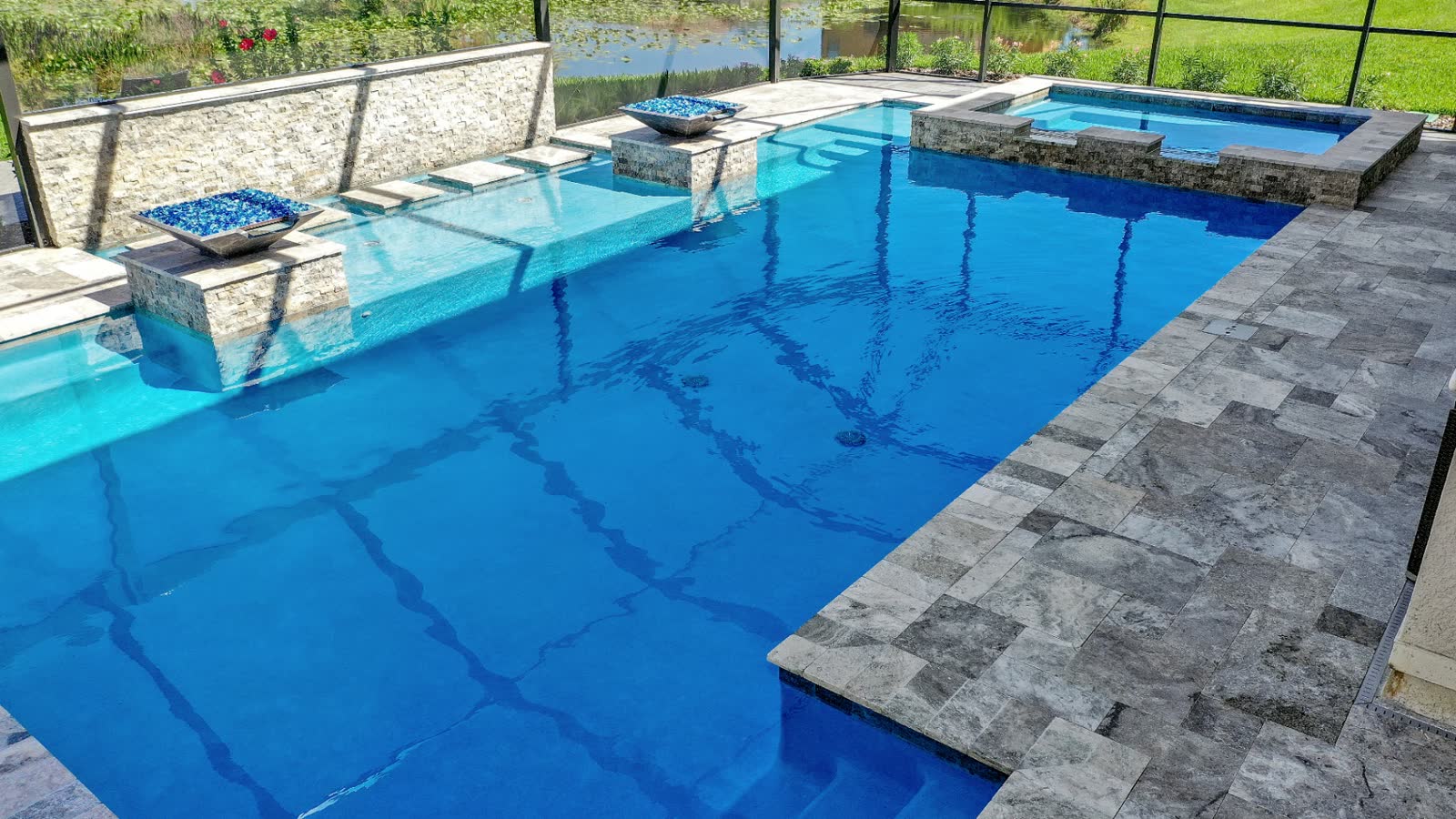
Change orders are the single biggest source of disputes on Tampa Bay pool projects. Most homeowners assume they are inevitable, and that a big pile of them is just how construction works. The truth is that a large volume of change orders is almost always a symptom of an incomplete plan or an intentionally light initial bid, not a normal part of the process. Open-book budgeting attacks the root cause by making cost visible and forcing scope to be complete before the work starts.
Why change orders multiply
In a fixed-price bid, a builder can win the job by pricing everything tightly and using change orders to recover margin once construction is underway. The homeowner does not see the pattern until the first few changes come in at prices that feel high. By then, tearing out the contract and starting over is impractical, so the changes get signed. Multiply that by a dozen small adjustments over the course of a project and the final number ends up well above the original bid.
What open-book budgeting actually shows
Open-book budgeting shares the actual cost of every line item with the homeowner. When a change comes up, the homeowner sees the vendor invoice, not a marked-up estimate. Instead of arguing about whether a change is fairly priced, the conversation shifts to whether the change is worth the real cost. That single change removes most of the friction and most of the surprises. It also creates a natural discipline on scope, because both sides can see how a small decision affects the total.
Complete scope up front
The other half of the answer is what happens before construction starts. Complete 3D design, detailed engineering, written finish selections, and specific brand and model choices for equipment eliminate most of the ambiguity that produces changes later. When tile is chosen at the showroom before pricing rather than after, upgrades stop being surprises. When equipment is spec'd by model rather than by allowance, backorders and substitutions get handled up front. Our 3D pool design guide covers how complete design reduces mid-project changes.
The legitimate changes that will happen anyway
Even with an excellent plan, a small number of legitimate changes will occur on almost every project. Weather delays that require additional site protection. An unexpected utility line discovered during excavation. A finish that has become unavailable and needs substitution. A homeowner decision to add a spa or upgrade a heater after seeing the shell take shape. These are normal.
The goal is not zero changes, it is a short list of documented changes with clear cost and schedule impact rather than a long list of surprise line items. On our projects, most changes come from homeowner-driven upgrades once construction is underway, which is a very different pattern from changes forced by scope gaps.
Paperwork that keeps everyone honest
- A written change order for every scope change, including cost and schedule impact.
- Signature from the homeowner before the work begins.
- Supporting invoices or quotes attached whenever open-book pricing is used.
- Updated total contract value tracked at every change.
- Photographs of any hidden site condition that triggers a change.
What to ask before you sign
The best time to reduce change orders is before construction starts. Ask each builder how change orders are priced, whether upgrades are billed at cost difference or with a multiplier, and how allowances were calculated. Ask for two or three sample change orders from recent projects. A builder who is comfortable answering these questions is usually the one whose final number will be closest to the number on the contract.
See how cost-plus builds work
Our cost-plus construction model makes every invoice visible so change orders become a straightforward conversation rather than a pricing battle.
Related reading
- 5 Hidden Costs Traditional Pool Builders Don't Talk About
- How to Avoid Pool Builder Scams in Florida
- Tampa Bay Pool Cost Guide